How drugmakers and wearables are reaching patients directly
Novo sells Wegovy pills from $149 a month without insurance. Lilly, Oura, WHOOP, Google and Abbott are linking drugs, devices, labs and records in consumer apps.
Drug companies, device makers and tech platforms are building their own paths to patients, alongside insurers and pharmacy benefit managers. This explainer pulls together what each has announced, from company pages and releases, as of Oct 20, 2026.
Drugmakers sell direct
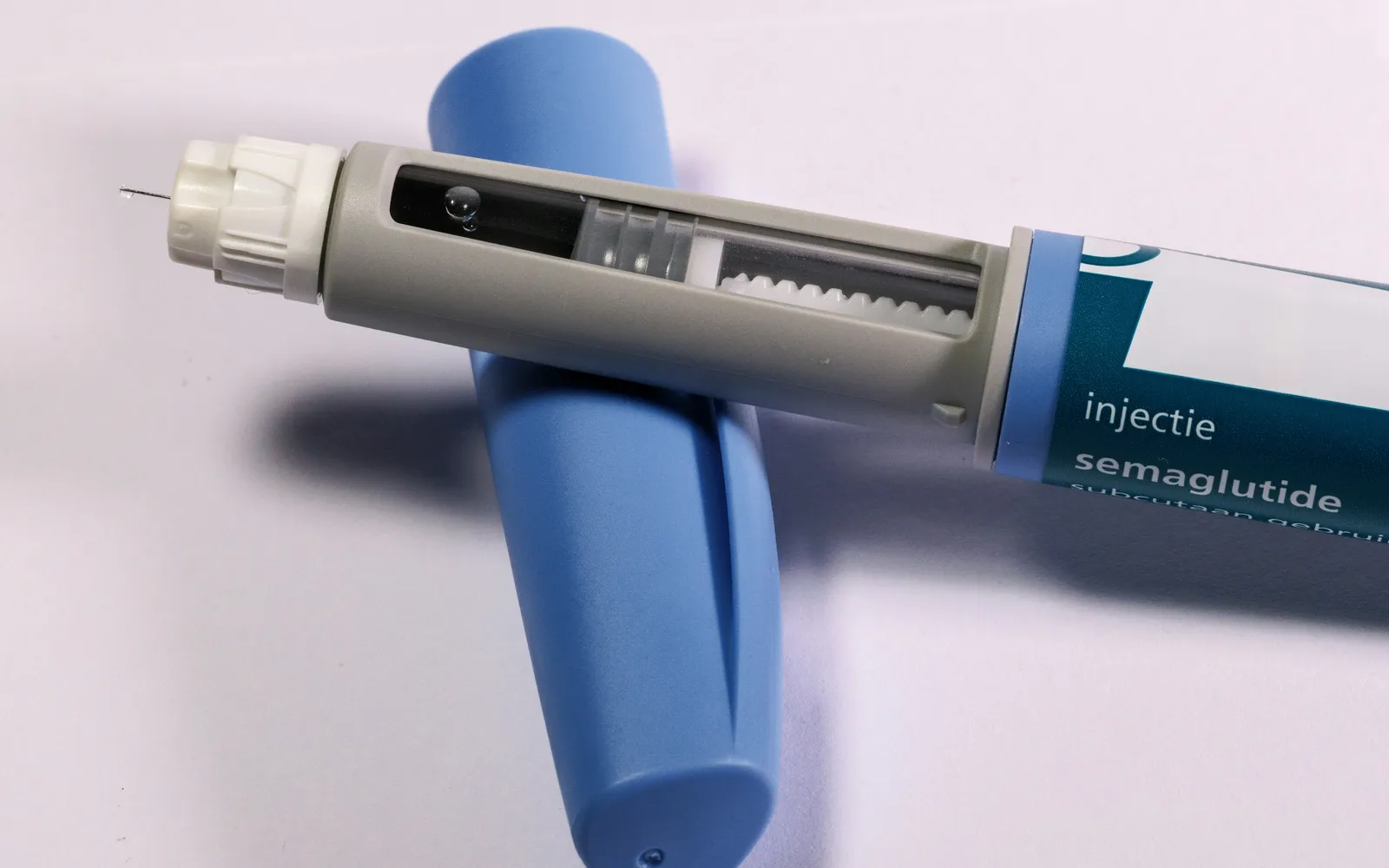
Novo Nordisk’s NovoCare site lists self-pay prices for the Wegovy pill starting at $149 a month for the 1.5 mg dose, $199 for 4 mg and $299 for 9 mg and 25 mg. New self-pay patients on the Wegovy pen start at $199 a month for a limited time. People with commercial insurance can pay as little as $25 a month, with savings capped at $100 a month. Prescriptions can be sent to NovoCare Pharmacy for delivery.
The same page tells Medicare patients living with obesity they may pay $50 a month starting July 1. That lines up with CMS’s Medicare GLP-1 Bridge, a short-term demonstration that runs from July 1, 2026 through Dec 31, 2027 and operates outside the regular Part D benefit, so Part D plans don’t carry the risk for those drugs.
Eli Lilly runs LillyDirect, which it describes as a digital health platform connecting people with chronic conditions to care, support and prescribed medicines. On Jun 23, Oura and LillyDirect announced that LillyDirect customers can get a free Oura Ring sizing kit. The companies said the deal does not involve data sharing.
Wearables pull in medical records and labs
On Jun 17, WHOOP launched an integration with HealthEx that lets U.S. members connect their electronic health records inside the WHOOP app.
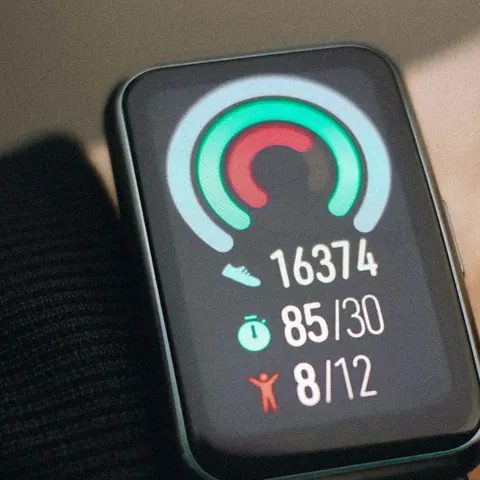
Google Health is gathering data from several partners. Function Health said on Oct 12 that U.S. users will be able to share results from its 160+ lab tests into the Google Health app later this fall. Abbott said on Aug 11 that glucose trends from Lingo, its over-the-counter glucose monitor for adults who don’t use insulin, will show in the Google Health app.
What we have not covered
Apple, Amazon One Medical, Hims & Hers and Quest are also part of this market. We’ll add them as we check their own releases and filings. Lilly’s investor feed blocked our reader on Oct 20.
Why it matters
When a drugmaker sets the cash price, a wearable holds the medical record and a lab feeds the same app, the insurer and the pharmacy benefit manager stop being the only ones who see the patient’s whole picture.


 Google
 FDA